Sustainability

Share Sustainability on Facebook Share Sustainability on Twitter Share Sustainability on Linkedin Email Sustainability link

In June 2018, the Sustainable Wheat Ridge (SWR) Committee published recommendations to enhance the environmental sustainability of Wheat Ridge, provide strong financial returns, and bring substantial benefits to public health, community cohesion, and livability.

Our goal of this page is to provide a platform for residents to engage with the Sustainable Wheat Ridge resident advisory committee and city staff regarding sustainability topics in Wheat Ridge. We will be updating this page regularly with new topics, resources and programs and will utilize resident feedback to inform the development of future sustainability program offerings. We look forward to hearing from the community!

The six focus areas of Sustainable Wheat Ridge are:

Green Building and Energy Efficiency

Renewable Energy

Solid Waste and Recycling

Transportation

Water

Communications and Engagement

Join the conversation by engaging with the tools below!

In June 2018, the Sustainable Wheat Ridge (SWR) Committee published recommendations to enhance the environmental sustainability of Wheat Ridge, provide strong financial returns, and bring substantial benefits to public health, community cohesion, and livability.

Our goal of this page is to provide a platform for residents to engage with the Sustainable Wheat Ridge resident advisory committee and city staff regarding sustainability topics in Wheat Ridge. We will be updating this page regularly with new topics, resources and programs and will utilize resident feedback to inform the development of future sustainability program offerings. We look forward to hearing from the community!

The six focus areas of Sustainable Wheat Ridge are:

Green Building and Energy Efficiency

Renewable Energy

Solid Waste and Recycling

Transportation

Water

Communications and Engagement

Join the conversation by engaging with the tools below!

  • Sustainability Spotlight - April 2026 - Update from Sustainable Wheat Ridge

    Share Sustainability Spotlight - April 2026 - Update from Sustainable Wheat Ridge on Facebook Share Sustainability Spotlight - April 2026 - Update from Sustainable Wheat Ridge on Twitter Share Sustainability Spotlight - April 2026 - Update from Sustainable Wheat Ridge on Linkedin Email Sustainability Spotlight - April 2026 - Update from Sustainable Wheat Ridge link
    supporting image

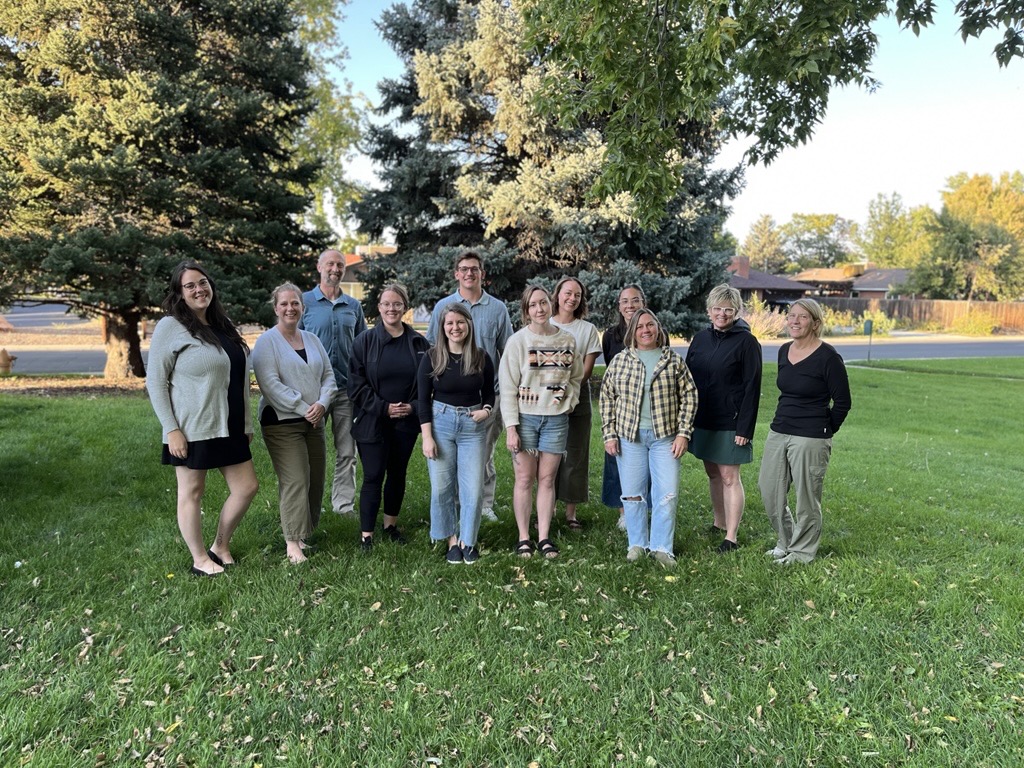
    This year comes with some changes to the focus of the Sustainable Wheat Ridge committee. We are transitioning into confusing more on our Sustainable Action Plan, or the SAP. The SAP is a collection of goals the committee set and that the City adopted (available on website). It focuses on eight different themes or focus areas; Water, Transportation, Solid Waste and Recycling, Renewable Energy, Energy Efficiency and Green Buildings, Business and Jobs, Communication and Engagement, Arts and Culture. While the committee is committed to completing all of the goals within the SAP, we have decided to start by focusing on

    This year comes with some changes to the focus of the Sustainable Wheat Ridge committee. We are transitioning into confusing more on our Sustainable Action Plan, or the SAP. The SAP is a collection of goals the committee set and that the City adopted (available on website). It focuses on eight different themes or focus areas; Water, Transportation, Solid Waste and Recycling, Renewable Energy, Energy Efficiency and Green Buildings, Business and Jobs, Communication and Engagement, Arts and Culture. While the committee is committed to completing all of the goals within the SAP, we have decided to start by focusing on three focus areas for this year. We have created smaller focus groups to work on the Water, Energy Efficiency and Green Building, and Communication and Engagement themes.

    Water

    The water group has decided to focus on working directly with the city on many of the SAP goals involving water. Many of these goals require actions from the city and even creating new policies to improve our current systems. While these goals have large scale effects on the community, we also recognize that they also require large scale effort and time. So for the short term, we are launching a community film screening and dialogue series to build awareness and engagement around watershed stewardship. While hoping to cultivate a growing network of local residents, volunteers, and partner organizations invested in the health of the Clear Creek watershed.

    Communications and Engagement

    The communications group is focusing on getting more information out to the community. We have just acquired space in the monthly Wheat Ridge Gazette to write articles regarding the sustainable efforts in Wheat Ridge and beyond. We are hoping to also acquire our own social media, in hopes of reaching a broader audience! We will be consistently working on these platforms to help reach more people with our goals and efforts. Along with our communication to the community, we are also trying to foster better relationships with different committees and city staff. Hoping that if we all work together we can make some big changes. The last focus of this group is to create a large city volunteer list, to help get more people out into the community making a difference. Anyone is always welcome at our events, we hope we can create a lasting group, dedicated to helping our community.

    Please reach out to us if you have any project ideas, helpful information, or any questions!

  • Sustainability Spotlight - March 2026 - World Water Day

    Share Sustainability Spotlight - March 2026 - World Water Day on Facebook Share Sustainability Spotlight - March 2026 - World Water Day on Twitter Share Sustainability Spotlight - March 2026 - World Water Day on Linkedin Email Sustainability Spotlight - March 2026 - World Water Day link

    supporting image

    Every year on March 22, World Water Day is held to stress the importance of clean water. This day of observance was first designated by the United Nations (UN) in 1993, with a specific theme selected each year to spotlight a key issue affecting over 2 billion people that still don’t have access to safe, clean water close to their home. The World Water Day theme for 2026 is Water and Gender.

    The three key messages promoted by the UN in support of this year’s theme of Water and Gender are:

    1. The global water crisis affects everyone – but

    Every year on March 22, World Water Day is held to stress the importance of clean water. This day of observance was first designated by the United Nations (UN) in 1993, with a specific theme selected each year to spotlight a key issue affecting over 2 billion people that still don’t have access to safe, clean water close to their home. The World Water Day theme for 2026 is Water and Gender.

    The three key messages promoted by the UN in support of this year’s theme of Water and Gender are:

    1. The global water crisis affects everyone – but not equally. Where people lack the human rights to safe drinking water and sanitation, inequalities flourish, with women and girls bearing the brunt. It’s time to center women and girls in water solutions.

    2. Women must shape the future of water. Water services must withstand climate change and meet everyone’s needs. We need a transformative, rights-based approach to solving the water crisis, where women’s voices, leadership, and agency are fully recognized.

    3. Where water flows, equality grows. When women and girls have equal voice in water decisions, services become more inclusive, sustainable, and effective. We must invest in women’s leadership to make water a force for a healthier, more prosperous, gender-equal future that will benefit us all.

    Although World Water Day focuses attention on low and middle-income countries worldwide, engagement at multiple levels - such as local and statewide campaigns - can help emphasize the importance of water for everyone, and encourage responsible water behaviors. This thinking hits close to home as we consider the importance of Clear Creek running through the heart of Wheat Ridge, or the watersheds within Colorado that are critical to the livelihoods of so many people.

    Please consider supporting women and equality in water access worldwide, as well as making water-wise decisions through your own actions. Let’s all observe World Water Day to connect our local and global communities!

  • Sustainability Spotlight - February 2026 - Root Revival: How to Water Trees During a Winter Drought

    Share Sustainability Spotlight - February 2026 - Root Revival: How to Water Trees During a Winter Drought on Facebook Share Sustainability Spotlight - February 2026 - Root Revival: How to Water Trees During a Winter Drought on Twitter Share Sustainability Spotlight - February 2026 - Root Revival: How to Water Trees During a Winter Drought on Linkedin Email Sustainability Spotlight - February 2026 - Root Revival: How to Water Trees During a Winter Drought link
    supporting image

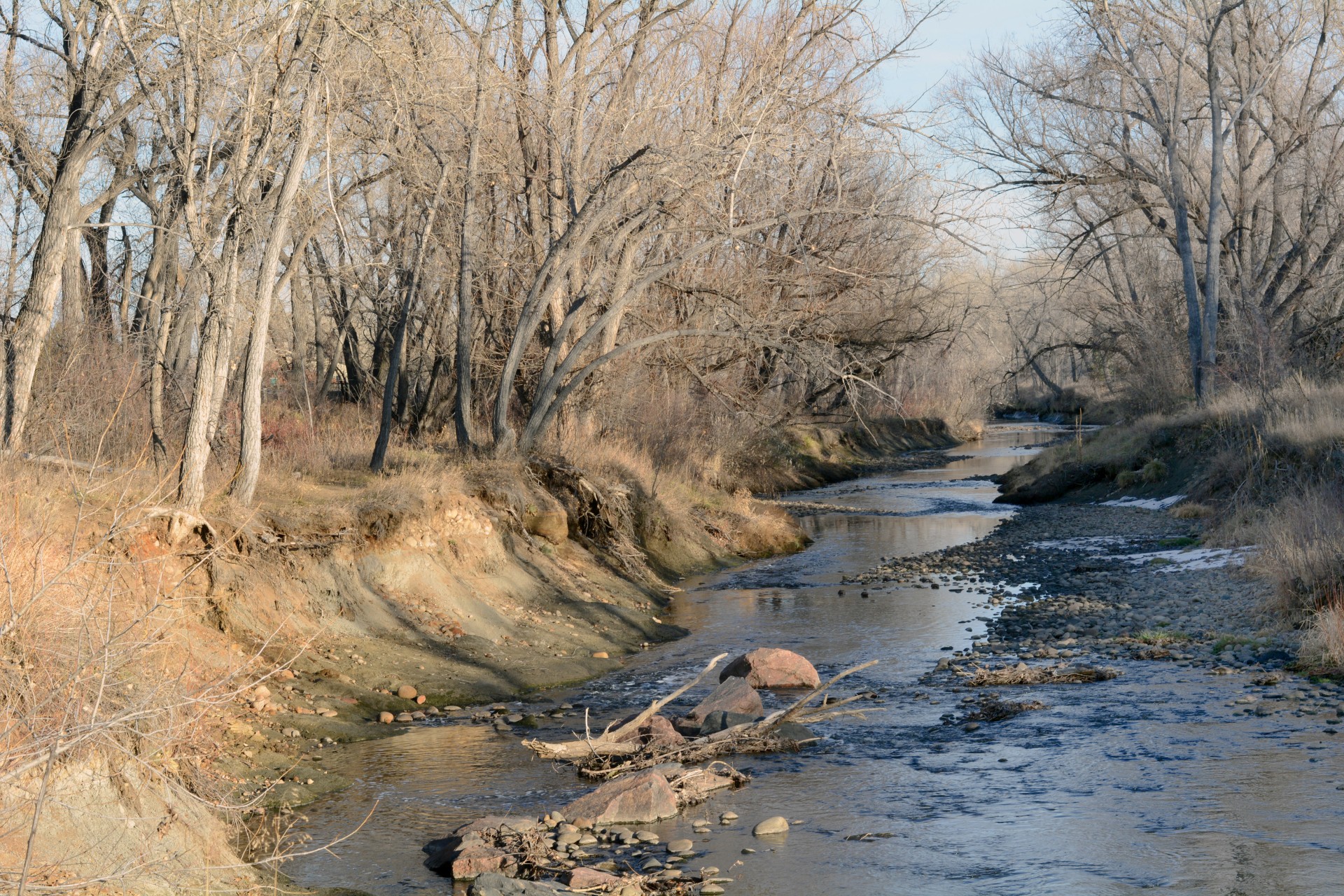
    With the unusually warm and dry weather this winter, your trees are probably thirsty. It may seem odd to pull out a hose in February, especially when most of the state is in drought conditions, but the fact is that trees are vulnerable during long dry periods and can become more susceptible to a host of health concerns without some care from you.

    Watering your trees during the winter is easy, and with the warmer days, can give you an excuse to spend some time outside with them. Carrie Tomlinson, the urban and community forestry manager for the Colorado

    With the unusually warm and dry weather this winter, your trees are probably thirsty. It may seem odd to pull out a hose in February, especially when most of the state is in drought conditions, but the fact is that trees are vulnerable during long dry periods and can become more susceptible to a host of health concerns without some care from you.

    Watering your trees during the winter is easy, and with the warmer days, can give you an excuse to spend some time outside with them. Carrie Tomlinson, the urban and community forestry manager for the Colorado State Forest Service, says that watering planted trees in the winter is a must, especially when there’s about two weeks without snow on the ground.

    Check out these watering tips below to give your trees a little drink:

    • Try watering 1 to 2 times per month
    • Make sure you only water when temperatures are above 40 degrees Fahrenheit, and ideally during the middle of the day to allow the water to infiltrate the soil before nighttime freezes
    • Apply water slowly, either with a spray wand or a hose on a low setting
    • Water the area under the branches of the trees, in an area called the “drip line” so that the water reaches the roots that need it most
    • Use mulch around the tree’s base to retain soil moisture
    • Drain and store your hose to protect it from future freezes


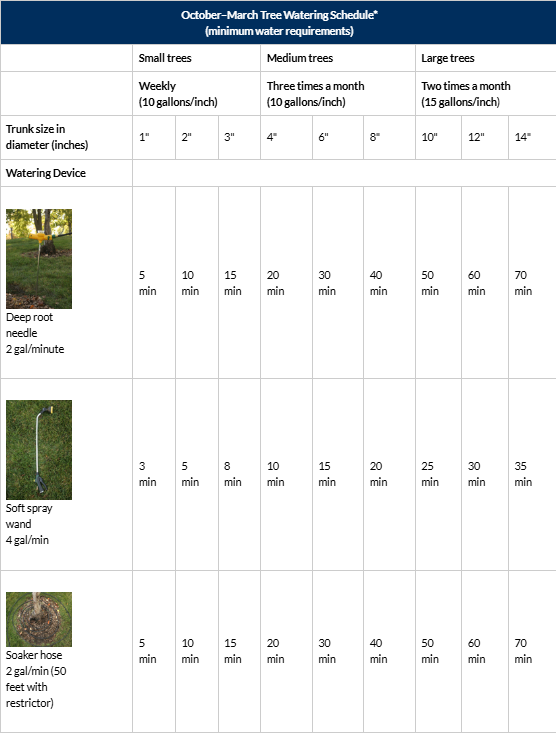
    Not sure how much to water? In winter, trees should get about 10 gallons of water per inch of tree trunk diameter. If you aren’t sure how to calculate this, another method is to place empty cups around the drip line of the tree while watering (with a sprinkler, spray wand, or other watering device that isn’t a hand-held hose) and when each cup has accumulated half an inch to one inch, you know the watering has been adequate.

    Here’s a handy guide from Denver Water on minimum water requirements for trees of all sizes with three examples of watering devices:

  • Sustainability Spotlight - January 2026 - Green New Years Resolutions

    Share Sustainability Spotlight - January 2026 - Green New Years Resolutions on Facebook Share Sustainability Spotlight - January 2026 - Green New Years Resolutions on Twitter Share Sustainability Spotlight - January 2026 - Green New Years Resolutions on Linkedin Email Sustainability Spotlight - January 2026 - Green New Years Resolutions link

    supporting image

    Happy New Year from Sustainable Wheat Ridge! Since we are all making resolutions to better ourselves in 2026, why not add a few to better our environment and sustainable community? Little actions by each person today can make a big impact on our future together, so we have compiled a list of things we can all start doing today to make 2026 and beyond more prosperous for our city and the world.

    Reusable resolutions to start the reusable revolution!

    • Bring reusable bags on errands – Tip (because we all forget from time to time): Keep 2-3 reusable bags in your

    Happy New Year from Sustainable Wheat Ridge! Since we are all making resolutions to better ourselves in 2026, why not add a few to better our environment and sustainable community? Little actions by each person today can make a big impact on our future together, so we have compiled a list of things we can all start doing today to make 2026 and beyond more prosperous for our city and the world.

    Reusable resolutions to start the reusable revolution!

    • Bring reusable bags on errands – Tip (because we all forget from time to time): Keep 2-3 reusable bags in your car and cycle them out as you use them that way you don’t have to worry about grabbing them as you leave the house.
    • Reusable batteries – Rechargeable batteries may have a slightly higher upfront cost but tend to have longer life off a single charge than alkaline batteries, saving you a lot of money over time. Couple that with reducing batteries in landfill waste it’s a true win-win for you and our environment.

    Keep the Love Local!

    • Eat locally – Choosing a local restaurant is a great way to not only try something new, but also helps our friends and neighbors. Many restaurants in Wheat Ridge are owned by people that live in the community and source their food options from our city and surrounding areas.
    • Shop locally – Not only will you be supporting a small business and helping those that live in our city, you can also work on fitness based resolutions at the same time. Walking or biking to a store near your neighborhood is heart healthy and reduces environmental impact from driving your car.

    Keep Going Strong in the Spring!

    • Grow your own food – Growing your own vegetables and herbs is a great way to dress up any meal and it gives you a sense of accomplishment. Additionally, anything you can’t use can be given to friends, neighbors or a local food bank.
    • Carbon footprint reduction – Planting early season vegetables in the spring and later season plants in summer can increase your growing season and help your soil stay healthy. By adding you own kitchen waste compost will not only cut down on waste but can help reduce your sue of store bought and chemical fertilizers.

    We hope this tips and ideas help you kick 2026 off right and support your personal resolutions and possibly inspire some new ones!


    More about Sustainable Wheat Ridge

    Sustainable Wheat Ridge is a resident-led committee that was established in 2016 to provide the city with recommendations to enhance the environmental sustainability of Wheat Ridge. Included in these recommendations are goals around preserving Wheat Ridge’s agricultural history, connecting local producers and consumers, and establishing partnerships to support local food production.

  • Sustainability Spotlight - December 2025 - Small Shifts, Big Meaning

    Share Sustainability Spotlight - December 2025 - Small Shifts, Big Meaning on Facebook Share Sustainability Spotlight - December 2025 - Small Shifts, Big Meaning on Twitter Share Sustainability Spotlight - December 2025 - Small Shifts, Big Meaning on Linkedin Email Sustainability Spotlight - December 2025 - Small Shifts, Big Meaning link

    supporting image

    The holidays invite us to slow down, open our doors, and spend time with the people and traditions that make this season feel special. Members of the Sustainable Wheat Ridge Committee shared how they bring sustainability into the season. These ideas remind us that sustainable holidays don’t have to be complicated or perfect. Instead, they’re about small, thoughtful choices that feel welcoming and easy to carry into everyday life.

    “Over the years, my family has discovered that our favorite gifts are ‘experiences’!” Joy

    When it comes to gifting, experiences are often preferred over things. Joy and Rachel shared

    The holidays invite us to slow down, open our doors, and spend time with the people and traditions that make this season feel special. Members of the Sustainable Wheat Ridge Committee shared how they bring sustainability into the season. These ideas remind us that sustainable holidays don’t have to be complicated or perfect. Instead, they’re about small, thoughtful choices that feel welcoming and easy to carry into everyday life.

    “Over the years, my family has discovered that our favorite gifts are ‘experiences’!” Joy

    When it comes to gifting, experiences are often preferred over things. Joy and Rachel shared how their families now lean toward outings, performances, or simply spending quality time together. These gifts easily adapt to family dynamics, creating moments to look forward to and memories that last well beyond the holiday season, without adding clutter at home.

    For those who enjoy giving physical gifts, secondhand finds bring personality and charm. Amy enjoys visiting thrift stores and local boutiques to find unique items to gift as-is or upcycle to fit someone’s lifestyle, whether a handmade mug, a puzzle, or a picture frame ready to hold a family photo or original artwork. Corinne also turns to thrift stores for baskets and containers, filling them with thoughtfully chosen items and locally sourced goodies to create gifts that feel special and personal. When Stew gives physical gifts, he looks for items that are useful, desired, and durable.

    Wrapping and presentation offer another chance to add care and creativity. Corinne saves paper throughout the year and paints it to create one-of-a-kind wrapping. Reusable bags, cloth wraps, and handmade materials turn packaging into part of the gift that can be saved and enjoyed again and again.

    At the holiday table, sustainability shows up in relaxed, flexible ways. Stew’s household puts less emphasis on meat and more focus on flavorful sides, which are easier to source responsibly and naturally bring people together. Small shifts like choosing local and seasonal foods, cooking just enough, adapting familiar recipes, and being thoughtful about leftovers help meals feel abundant without being wasteful, while staying delicious.

    Beyond gifts and food, traditions help shape the feeling of the season. Joy noted that starting with one or two manageable changes brings more mindfulness to holiday routines. Whether it’s a winter walk, a creative alternative to a cut tree, or simply slowing down together, these small shifts help make the holidays feel lighter, warmer, and rooted in connection.

    “We get outside for every holiday, whether it’s a long walk around town, walking along the Clear Creek trail, or hiking in the Front Range.” — Stew

    Through meaningful choices that care for people and place, small moments come together to shape a holiday season filled with presence, warmth, and shared connection. Happy Holidays!

  • Sustainability Spotlight - November 2025 - Leave the Leaves!

    Share Sustainability Spotlight - November 2025 - Leave the Leaves! on Facebook Share Sustainability Spotlight - November 2025 - Leave the Leaves! on Twitter Share Sustainability Spotlight - November 2025 - Leave the Leaves! on Linkedin Email Sustainability Spotlight - November 2025 - Leave the Leaves! link
    supporting image

    Autumn is a wonderful time of year. The lush green foliage gives way to an explosion of vibrant reds, yellows, and oranges, creating breathtaking scenery that many people look forward to all year. But once those colorful leaves fall to the ground, they are often seen as a nuisance rather than a gift from nature. Many homeowners instinctively reach for their rakes and leaf blowers, filling countless plastic or paper bags and sending them off to landfills — but this habit has unseen environmental costs.

    In reality, fallen leaves are a valuable natural resource that can be reused to benefit

    Autumn is a wonderful time of year. The lush green foliage gives way to an explosion of vibrant reds, yellows, and oranges, creating breathtaking scenery that many people look forward to all year. But once those colorful leaves fall to the ground, they are often seen as a nuisance rather than a gift from nature. Many homeowners instinctively reach for their rakes and leaf blowers, filling countless plastic or paper bags and sending them off to landfills — but this habit has unseen environmental costs.

    In reality, fallen leaves are a valuable natural resource that can be reused to benefit both your garden and the planet. Instead of viewing them as waste, think of leaves as an opportunity to build a healthier and more sustainable yard. When raked into garden beds, leaves act as an effective weed barrier, blocking sunlight from reaching weed seeds and preventing germination. They also serve as a protective winter habitat for countless insects — including beneficial pollinators like butterflies, bees, and beetles — which are vital for maintaining local ecosystems.

    As the leaves decompose, they act as a natural fertilizer, returning essential nutrients such as nitrogen, phosphorus, and potassium to the soil. This process enriches your garden naturally, reducing the need for synthetic fertilizers and promoting long-term soil health. Adding leaves to your compost pile also introduces a rich source of carbon, balancing the nitrogen-heavy materials like food scraps and grass clippings. This balance helps your compost break down more efficiently and produce richer humus for your plants.

    When it comes to your lawn, a little care is necessary. A thick, wet blanket of leaves can block air and sunlight, potentially smothering your grass. However, this doesn’t mean you need to bag them up. Instead, you can use your mower’s mulch setting to shred the leaves into small pieces. These finely chopped leaves can settle between grass blades, slowly decomposing and enriching the soil beneath without harming the turf. This is an easy, low-effort way to recycle nutrients right where they came from.

    By taking a balanced approach — redistributing heavier piles of leaves into garden beds, composting some, and mulching the rest — you can turn what’s often seen as a seasonal chore into an act of environmental stewardship. Leaving the leaves where they fall helps conserve biodiversity, reduce landfill waste, and foster healthier soil. So this autumn, before you reach for your rake, consider letting nature take its course. Your lawn, your garden, and the planet will all thank you.

  • Sustainability Spotlight - October 2025 - More Treat, Less Trash: An Eco-Friendly Halloween Guide

    Share Sustainability Spotlight - October 2025 - More Treat, Less Trash: An Eco-Friendly Halloween Guide on Facebook Share Sustainability Spotlight - October 2025 - More Treat, Less Trash: An Eco-Friendly Halloween Guide on Twitter Share Sustainability Spotlight - October 2025 - More Treat, Less Trash: An Eco-Friendly Halloween Guide on Linkedin Email Sustainability Spotlight - October 2025 - More Treat, Less Trash: An Eco-Friendly Halloween Guide link
    supporting image

    It’s almost that time of year for costume parties, haunted houses, spooky decor, PSLs, and trick or treating. But what is more frightening than any scary movie you’ll watch this season is the unsettling amount of waste that is generated each Halloween. The National Retail Federation (NRF) has reported that Halloween spending in the U.S. can exceed $13 billion in one year. That spending primarily goes toward cheap costumes that typically end up in landfills after one use, with an estimated 35 million costumes trashed annually. Costumes aren’t the only culprits though. A trip to any big store at this

    It’s almost that time of year for costume parties, haunted houses, spooky decor, PSLs, and trick or treating. But what is more frightening than any scary movie you’ll watch this season is the unsettling amount of waste that is generated each Halloween. The National Retail Federation (NRF) has reported that Halloween spending in the U.S. can exceed $13 billion in one year. That spending primarily goes toward cheap costumes that typically end up in landfills after one use, with an estimated 35 million costumes trashed annually. Costumes aren’t the only culprits though. A trip to any big store at this time of year will display plenty of plastic decorations too.

    Instead of playing a part in this yearly single-use seasonal extravaganza, try these 5 tips for lowering your impact this Halloween.

    Reuse, Recycle, and Repeat Costumes

    Before buying a pre-packaged costume, try finding your costume in your own closet, at a thrift store, or even asking a friend. It’s understandable that you may not want to repeat the same costume every year, but that doesn’t mean you need to buy a new one either. Get creative and think about designing your costumes as representations rather than replicas. For instance, if you want to be a pirate, can you use that one white button up shirt, a suit vest, and some rolled up pants that you already have in your closet?

    Decorate Wisely

    Halloween decorations can contribute a lot of waste, especially if they aren’t reused year after year. Instead of buying items that are trendy or disposable, consider items that are sturdy, timeless, and can be found around the house. Try to avoid decorations that require batteries, are easily broken, and are made up of flimsy plastic. If you purchase decorations, save them for future celebrations. You can also create decorations using old jars, cardboard, and fabric. An old sheet and some newspaper or a balloon can easily be fashioned into a ghost; cleverly cut-out cardboard can be transformed into tombstones for the front yard; and ceramic pumpkins to set outside each year may be more economical than using real ones.

    But Don’t Decorate with Pumpkins

    Speaking of pumpkins, let’s ditch the desire to carve pumpkins just to throw them out. More than 1 billion pounds of pumpkin are sent to landfills each year, with a large proportion of that coming from jack-o-lanterns. Decomposing pumpkins produce methane gas in landfills, contributing to climate change, and before they ever get to your doorstep or the dump, they use valuable land and water to grow. If you want to carve a pumpkin, consider eating the pieces you carve (like the seeds) and putting the rest in compost when Halloween is over.

    Trick or Treat Responsibly

    Trick-or-treating can be one of the best parts of Halloween, especially for kids. Instead of driving to another destination, trick-or-treat in your own neighborhood so that you can walk, bike, or scooter from house to house. Since kids are mostly concerned with the candy and not the container, use and decorate household items for them to collect with – an old pillowcase, a basket, a tote bag (we know you have a few of those lying around!) or even a school backpack can work. On the other side, if you’re handing out candy to tricksters, buy in bulk to cut down on plastic waste.

    Wicked Good, Waste-Free Party

    The best Monster Mash can also be an eco-friendly affair. These ideas can help lower your impact on the earth while not taking away from the boo-tiful bash.

    • Send digital invitations
    • Use biodegradable dishes, cups, and cutlery
    • Provide a recycle bin for glass bottles and aluminum cans
    • Make or buy food that’s not individually packaged
    • Support Colorado farmers by buying seasonal and locally sourced produce
    • Compost your food scraps and any unwanted leftovers after the party

    Don’t be scared to start an eco-friendly Halloween tradition this year!

  • Sustainability Spotlight - September 2025 - Hosting Sustainable Events in Wheat Ridge

    Share Sustainability Spotlight - September 2025 - Hosting Sustainable Events in Wheat Ridge on Facebook Share Sustainability Spotlight - September 2025 - Hosting Sustainable Events in Wheat Ridge on Twitter Share Sustainability Spotlight - September 2025 - Hosting Sustainable Events in Wheat Ridge on Linkedin Email Sustainability Spotlight - September 2025 - Hosting Sustainable Events in Wheat Ridge link
    supporting image

    Planning an event in Wheat Ridge? Make it green! Sustainable event planning is more than a trend: it’s a simple and powerful way to reduce your environmental impact, support local businesses, and inspire change in your community. Not sure where to start? We’ve identified five key areas where you can swap an event essential for a greener choice.

    Waste Management

    Events of all sizes produce waste. Thinking thoughtfully about the inputs and outputs of events can help reduce your event’s overall environmental impact. Consider using compostable or reusable materials for décor, nametags, signage, and utensils to keep inputs green. And

    Planning an event in Wheat Ridge? Make it green! Sustainable event planning is more than a trend: it’s a simple and powerful way to reduce your environmental impact, support local businesses, and inspire change in your community. Not sure where to start? We’ve identified five key areas where you can swap an event essential for a greener choice.

    Waste Management

    Events of all sizes produce waste. Thinking thoughtfully about the inputs and outputs of events can help reduce your event’s overall environmental impact. Consider using compostable or reusable materials for décor, nametags, signage, and utensils to keep inputs green. And provide clearly labeled recycling and composting bins in addition to trash, with signage or volunteers to help guests properly sort their waste.

    Food and Beverage

    Choose locally-sourced, seasonal ingredients to reduce carbon emissions associated with transportation or offer plant-based menu options, which generally require fewer resources to produce. Work with your caterer to minimize food waste by planning portion sizes accurately and identifying ways that surplus food can be donated, shared, or composted after the event.

    Transportation

    Encourage guests to walk, bike, take public transportation, or carpool to the event if possible, with options communicated to attendees prior to the event. Offer incentives for eco-friendly travel such as discounts or rewards or provide shuttle service for large events with limited parking. Schedule events outside of peak commute hours to reduce traffic congestion and increased carbon emissions for those who do drive.

    Communications

    Go digital with invitations, programs, advertising, and registration. Use reusable signage and eco-friendly printing methods when physical materials are necessary. Highlight your sustainability efforts in all communications to engage and educate attendees on the steps you’ve taken to make the event greener.

    Décor and Materials

    Select a venue that has existing sustainability practices in place, is LEED certified, or is accessible by public transportation. Opt for reusable, recyclable or compostable décor like using live plants, dried flowers, or reusable décor instead of single-use items. Choose cloth tablecloths and giveaway items made of natural materials that won’t end up in trash at the end of the event.

    Interested in learning more but don’t know where to start? The Colorado Department of Health and Environment (CDPHE) website has a growing list of green businesses in the community for vendors or venues. If you have any questions about planning a green event in Wheat Ridge, don’t hesitate to reach out to sustainability@ci.wheatridge.co.us.

  • FREE Paint Recycling Event - August 16

    Share FREE Paint Recycling Event - August 16 on Facebook Share FREE Paint Recycling Event - August 16 on Twitter Share FREE Paint Recycling Event - August 16 on Linkedin Email FREE Paint Recycling Event - August 16 link

    Don't miss our annual paint recycling event in partnership with Sustainable Wheat Ridge, Wheat Ridge Sustainable Neighborhoods, and GreenSheen! This event will be held at the Wheat Ridge Recreation Center on Saturday, August 16 from 9 a.m. - 1 p.m. and is completely free for anyone and everyone, no need to be a Wheat Ridge resident. See the flyer below for additional information about accepted items. Cash donations will be accepted to support the Sustainable Neighborhoods program. We hope to see you there!

    Don't miss our annual paint recycling event in partnership with Sustainable Wheat Ridge, Wheat Ridge Sustainable Neighborhoods, and GreenSheen! This event will be held at the Wheat Ridge Recreation Center on Saturday, August 16 from 9 a.m. - 1 p.m. and is completely free for anyone and everyone, no need to be a Wheat Ridge resident. See the flyer below for additional information about accepted items. Cash donations will be accepted to support the Sustainable Neighborhoods program. We hope to see you there!

  • Sustainability Spotlight - July 2025 - Wildfire Awareness: Protecting Lives, Property, and Nature

    Share Sustainability Spotlight - July 2025 - Wildfire Awareness: Protecting Lives, Property, and Nature on Facebook Share Sustainability Spotlight - July 2025 - Wildfire Awareness: Protecting Lives, Property, and Nature on Twitter Share Sustainability Spotlight - July 2025 - Wildfire Awareness: Protecting Lives, Property, and Nature on Linkedin Email Sustainability Spotlight - July 2025 - Wildfire Awareness: Protecting Lives, Property, and Nature link
    supporting image

    Wildfires are powerful and often unpredictable natural disasters that can destroy homes, harm wildlife, and endanger lives in a matter of moments. As climate change leads to drier conditions and longer fire seasons, the need for wildfire awareness has never been more critical.

    Understanding Wildfires

    A wildfire is an uncontrolled fire that spreads rapidly through vegetation, forests, grasslands, and even urban areas. While some wildfires start naturally due to lightning, the majority are caused by human activities such as unattended campfires, discarded cigarettes, power lines, and even arson.

    Why Awareness Matters

    Raising awareness about wildfires helps individuals and communities prepare

    Wildfires are powerful and often unpredictable natural disasters that can destroy homes, harm wildlife, and endanger lives in a matter of moments. As climate change leads to drier conditions and longer fire seasons, the need for wildfire awareness has never been more critical.

    Understanding Wildfires

    A wildfire is an uncontrolled fire that spreads rapidly through vegetation, forests, grasslands, and even urban areas. While some wildfires start naturally due to lightning, the majority are caused by human activities such as unattended campfires, discarded cigarettes, power lines, and even arson.

    Why Awareness Matters

    Raising awareness about wildfires helps individuals and communities prepare before disaster strikes. Education can reduce risky behaviors, promote fire-safe practices, and increase readiness during fire season. Being informed can save lives and minimize property loss.

    How to Stay Safe

    1. Create a defensible space around your home by clearing dry brush, trimming trees, and removing flammable materials.
    2. Follow local fire bans and never leave a campfire unattended.
    3. Have an evacuation plan and emergency kit ready, including important documents, water, food, and medications.
    4. Stay informed through local alerts, emergency services, and weather updates.

    The Role of Community

    Wildfire prevention and response require cooperation. Communities can organize clean-up efforts, educate neighbors, and support local fire departments. By working together, we can reduce wildfire risks and build resilience. Check out some of these resources and tips from Jefferson County on how to stay safe and protect what is important to you!

Page last updated: 23 Apr 2026, 03:31 PM