

Sustainability Spotlight - November 2025 - Leave the Leaves!
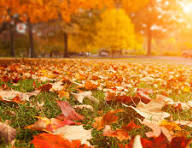
Autumn is a wonderful time of year. The lush green foliage gives way to an explosion of vibrant reds, yellows, and oranges, creating breathtaking scenery that many people look forward to all year. But once those colorful leaves fall to the ground, they are often seen as a nuisance rather than a gift from nature. Many homeowners instinctively reach for their rakes and leaf blowers, filling countless plastic or paper bags and sending them off to landfills — but this habit has unseen environmental costs.
In reality, fallen leaves are a valuable natural resource that can be reused to benefit both your garden and the planet. Instead of viewing them as waste, think of leaves as an opportunity to build a healthier and more sustainable yard. When raked into garden beds, leaves act as an effective weed barrier, blocking sunlight from reaching weed seeds and preventing germination. They also serve as a protective winter habitat for countless insects — including beneficial pollinators like butterflies, bees, and beetles — which are vital for maintaining local ecosystems.
As the leaves decompose, they act as a natural fertilizer, returning essential nutrients such as nitrogen, phosphorus, and potassium to the soil. This process enriches your garden naturally, reducing the need for synthetic fertilizers and promoting long-term soil health. Adding leaves to your compost pile also introduces a rich source of carbon, balancing the nitrogen-heavy materials like food scraps and grass clippings. This balance helps your compost break down more efficiently and produce richer humus for your plants.
When it comes to your lawn, a little care is necessary. A thick, wet blanket of leaves can block air and sunlight, potentially smothering your grass. However, this doesn’t mean you need to bag them up. Instead, you can use your mower’s mulch setting to shred the leaves into small pieces. These finely chopped leaves can settle between grass blades, slowly decomposing and enriching the soil beneath without harming the turf. This is an easy, low-effort way to recycle nutrients right where they came from.
By taking a balanced approach — redistributing heavier piles of leaves into garden beds, composting some, and mulching the rest — you can turn what’s often seen as a seasonal chore into an act of environmental stewardship. Leaving the leaves where they fall helps conserve biodiversity, reduce landfill waste, and foster healthier soil. So this autumn, before you reach for your rake, consider letting nature take its course. Your lawn, your garden, and the planet will all thank you.
