Sustainability

Share Sustainability on Facebook Share Sustainability on X (formerly Twitter) Share Sustainability on Linkedin Email Sustainability link

In June 2018, the Sustainable Wheat Ridge (SWR) Committee published recommendations to enhance the environmental sustainability of Wheat Ridge, provide strong financial returns, and bring substantial benefits to public health, community cohesion, and livability.

Our goal of this page is to provide a platform for residents to engage with the Sustainable Wheat Ridge resident advisory committee and city staff regarding sustainability topics in Wheat Ridge. We will be updating this page regularly with new topics, resources and programs and will utilize resident feedback to inform the development of future sustainability program offerings. We look forward to hearing from the community!

The six focus areas of Sustainable Wheat Ridge are:

Green Building and Energy Efficiency

Renewable Energy

Solid Waste and Recycling

Transportation

Water

Communications and Engagement

Join the conversation by engaging with the tools below!

In June 2018, the Sustainable Wheat Ridge (SWR) Committee published recommendations to enhance the environmental sustainability of Wheat Ridge, provide strong financial returns, and bring substantial benefits to public health, community cohesion, and livability.

Our goal of this page is to provide a platform for residents to engage with the Sustainable Wheat Ridge resident advisory committee and city staff regarding sustainability topics in Wheat Ridge. We will be updating this page regularly with new topics, resources and programs and will utilize resident feedback to inform the development of future sustainability program offerings. We look forward to hearing from the community!

The six focus areas of Sustainable Wheat Ridge are:

Green Building and Energy Efficiency

Renewable Energy

Solid Waste and Recycling

Transportation

Water

Communications and Engagement

Join the conversation by engaging with the tools below!

  • Sustainability Spotlight - September 2026 - Upcoming Energy & Electrification Fair 10/20

    Share Sustainability Spotlight - September 2026 - Upcoming Energy & Electrification Fair 10/20 on Facebook Share Sustainability Spotlight - September 2026 - Upcoming Energy & Electrification Fair 10/20 on X (formerly Twitter) Share Sustainability Spotlight - September 2026 - Upcoming Energy & Electrification Fair 10/20 on Linkedin Email Sustainability Spotlight - September 2026 - Upcoming Energy & Electrification Fair 10/20 link
    supporting image

    Reducing your home energy use is good for the planet but also is good for your health and good for your pocket book. Air sealing and insulting your attic up to R-60 are two great steps to reducing your energy use. Many homes in Wheat Ridge were constructed prior to a focus on air sealing and insulation and could use improvement. Those same homes did not have air conditioning installed initially either.

    This past summer highlighted how climate change is impacting our ability to stay in cool in the summer. Today there are programs to help you reduce your energy

    Reducing your home energy use is good for the planet but also is good for your health and good for your pocket book. Air sealing and insulting your attic up to R-60 are two great steps to reducing your energy use. Many homes in Wheat Ridge were constructed prior to a focus on air sealing and insulation and could use improvement. Those same homes did not have air conditioning installed initially either.

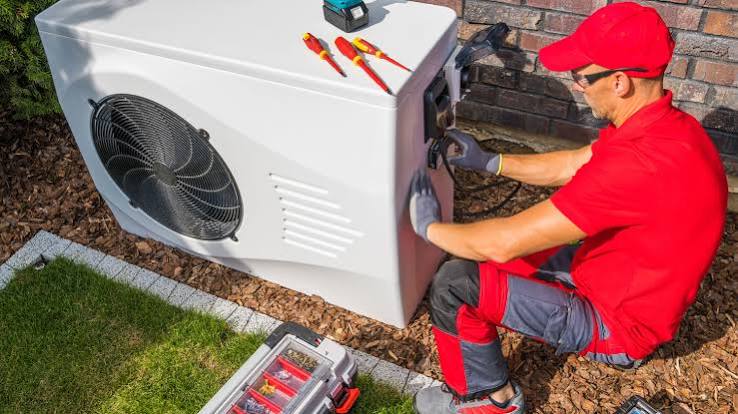
    This past summer highlighted how climate change is impacting our ability to stay in cool in the summer. Today there are programs to help you reduce your energy bill and even install a heat pump that can heat and cool your home. Heat pumps can replace your furnace and air conditioner. Heat pumps have been used in warmer climates for decades but are just gaining traction in colder climates. Have you heard about programs that help out home owners but were confused or overwhelmed or just not ready to make the leap?

    Sustainable Wheat Ridge is holding an Energy Efficiency and Electrification Fair on Tuesday October 20th from 4:30-6:30pm at the Active Adult Center to answer your questions and help you navigate finding contractors and understanding the different programs available. Representatives from Xcel Energy and DRCOG Power Ahead will be attending along with other representatives to explain how residents can access programs. A few insulation and heat pump vendors will also join to explain how things work on their end. No matter your income, there are programs for you!

    Drop in any time during the event, grab a snack, and learn about how you can make your home more efficient and comfortable.

  • Sustainability Spotlight - August 2026 - Lutheran Campus: Sustainable Deconstruction

    Share Sustainability Spotlight - August 2026 - Lutheran Campus: Sustainable Deconstruction on Facebook Share Sustainability Spotlight - August 2026 - Lutheran Campus: Sustainable Deconstruction on X (formerly Twitter) Share Sustainability Spotlight - August 2026 - Lutheran Campus: Sustainable Deconstruction on Linkedin Email Sustainability Spotlight - August 2026 - Lutheran Campus: Sustainable Deconstruction link
    supporting image

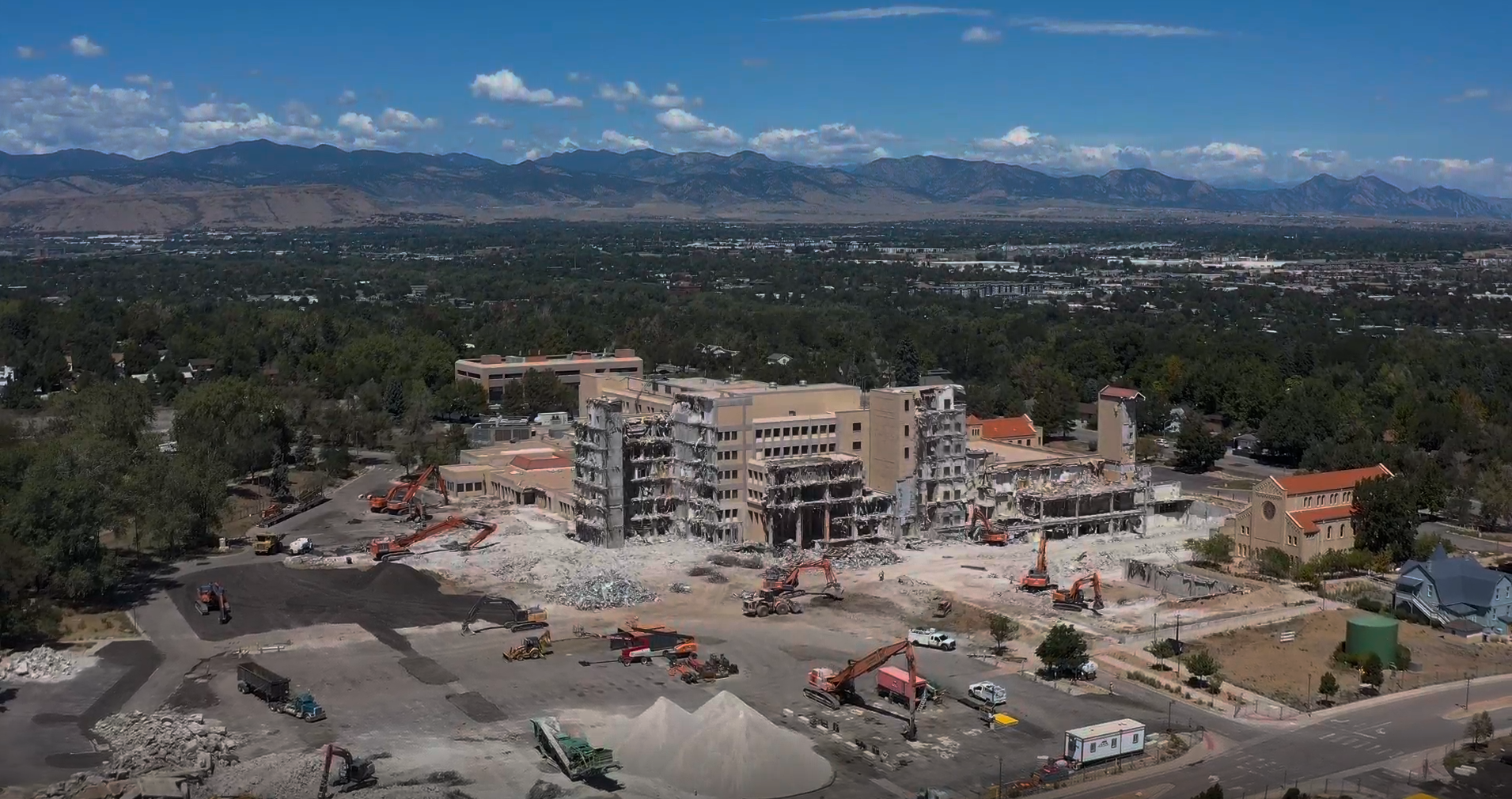
    Have you noticed that the former Lutheran Hospital campus between W 32nd and W 38th Avenues is undergoing some changes? The Colorado-based developer E5x has started redeveloping the 100-acre site, starting with deconstructing it.

    Construction and demolition materials are a significant source of waste in the United States. When buildings are torn down, the process typically generates about 90% of the overall generation of waste in the construction cycle, meaning that old buildings usually end up in the landfill.

    But the former Lutheran Hospital campus is getting recycled. We talked to Chris Elliott, the president of E5x, about the process

    Have you noticed that the former Lutheran Hospital campus between W 32nd and W 38th Avenues is undergoing some changes? The Colorado-based developer E5x has started redeveloping the 100-acre site, starting with deconstructing it.

    Construction and demolition materials are a significant source of waste in the United States. When buildings are torn down, the process typically generates about 90% of the overall generation of waste in the construction cycle, meaning that old buildings usually end up in the landfill.

    But the former Lutheran Hospital campus is getting recycled. We talked to Chris Elliott, the president of E5x, about the process and the results. So far, the diversion rate from landfills is at 74%, with more than 70,000 tons of concrete and asphalt repurposed for roads and other paved materials on site. E5x estimates the deconstruction will be complete next year, so there is still work to be done.

    Wheat Ridge’s Sustainability Action Plan dedicates an entire section to Solid Waste and Recycling. The main goals are to reduce negative impacts of waste management on city infrastructure and the local environment and to improve waste management behavior by residents, businesses, and institutions. Since the Legacy development is so substantial, the way E5x and the other developers who will eventually work on the property deal with waste will have a considerable impact on Wheat Ridge.

    Read more about the process and how this effort could help set an example for other developers in Wheat Ridge in Sustainable Wheat Ridge’s article in the Neighborhood Gazette.

    https://ngazette.com/a-new-life-for-old-materials-the-sustainable-deconstruction-of-the-lut/

  • Sustainability Spotlight - July 2026 - Composting

    Share Sustainability Spotlight - July 2026 - Composting on Facebook Share Sustainability Spotlight - July 2026 - Composting on X (formerly Twitter) Share Sustainability Spotlight - July 2026 - Composting on Linkedin Email Sustainability Spotlight - July 2026 - Composting link
    supporting image

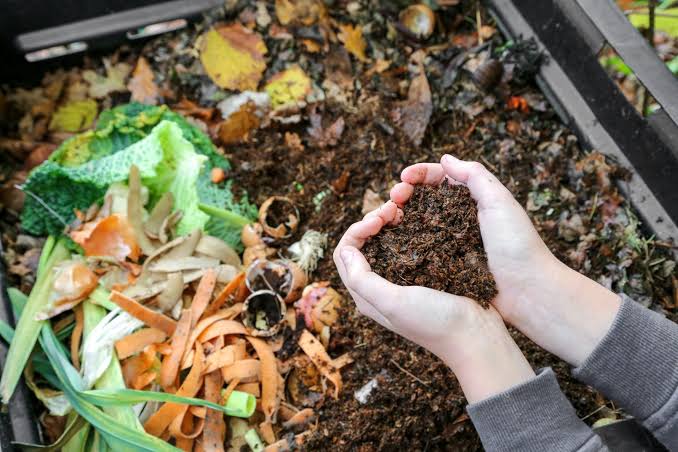
    Food scraps and yard waste make up a significant portion of household trash, often close to a third of what the average household throws away. When that waste goes to a typical landfill, it breaks down without oxygen and produces methane, a potent greenhouse gas. Composting offers an alternative to dispose of this waste. It lets organic material decompose aerobically to create a usable resource, rather than contributing to landfill emissions. The soil made from composting organic material creates a nutrient dense soil amendment that can be used to improve soil structure, retain moisture, and reduce the need for synthetic

    Food scraps and yard waste make up a significant portion of household trash, often close to a third of what the average household throws away. When that waste goes to a typical landfill, it breaks down without oxygen and produces methane, a potent greenhouse gas. Composting offers an alternative to dispose of this waste. It lets organic material decompose aerobically to create a usable resource, rather than contributing to landfill emissions. The soil made from composting organic material creates a nutrient dense soil amendment that can be used to improve soil structure, retain moisture, and reduce the need for synthetic fertilizer. Wheat Ridge residents interested in composting have several options to participate, including a city-supported drop-off program to no-cost methods you could start today.

    Sustainable Wheat Ridge has partnered with Scraps Mile High to provide a residential compost drop-off program. Scraps is a Denver metro composting service that offers both drop-off and pickup options for residents who don’t want to manage at-home composting. Residents can receive their first two months of service free of charge with the purchase of a Scraps starter kit using the code WRDROPOFF25, saving new members $42. Members can drop-off unlimited compostable material anytime at two locations: Wheat Ridge Recreation Center and Wheat Ridge City Hall. Members also have the option to purchase finished compost from Scraps each spring.

    For residents who live in multi-unit housing, a condo or apartment building, Scraps also offers commercial composting that allows you to compost through your complex. Commercial composting is also available for restaurants, commercial kitchen or food production facilities, small retail or otherwise. So if you live, own, or work in any of these complexes or facilities, commercial membership is available.

    Composting is also available at no-cost options for residents who want to start without committing to a monthly cost. If you have yard space, backyard composting is a free method that requires no equipment beyond what you might already have or can build low cost. Wheat Ridge Council Bill No. 22, Ordinance No. 1752 speaks to the dos and don'ts of composting in Wheat Ridge, with the main requirement mandating the prevention of compost pile buildup to prevent putrid odors and avoid attracting pests or wildlife.

    There is no one correct method for composting and we encourage residents to look into which option works best for them. Sustainable What Ridge has partnered with the Scraps program as one option among several to remove barriers for residents who want to reduce their carbon footprint.

  • Sustainability Spotlight - June 2026 - Updates & Tips for Summer

    Share Sustainability Spotlight - June 2026 - Updates & Tips for Summer on Facebook Share Sustainability Spotlight - June 2026 - Updates & Tips for Summer on X (formerly Twitter) Share Sustainability Spotlight - June 2026 - Updates & Tips for Summer on Linkedin Email Sustainability Spotlight - June 2026 - Updates & Tips for Summer link

    supporting image

    Building Efficiency Policy and Community Action

    As summer temperatures begin to rise, now is a great time to think about how our homes and buildings use energy. Improving building efficiency is one of the most effective ways to reduce utility costs, sustain comfort, and help Wheat Ridge achieve its long-term energy efficiency and green building goals.

    Buildings account for a significant portion of greenhouse gas emissions in our region through heating, cooling, water heating, and other energy uses. That's why improving the efficiency of existing buildings and ensuring new buildings are designed with sustainability in mind is a key focus

    Building Efficiency Policy and Community Action

    As summer temperatures begin to rise, now is a great time to think about how our homes and buildings use energy. Improving building efficiency is one of the most effective ways to reduce utility costs, sustain comfort, and help Wheat Ridge achieve its long-term energy efficiency and green building goals.

    Buildings account for a significant portion of greenhouse gas emissions in our region through heating, cooling, water heating, and other energy uses. That's why improving the efficiency of existing buildings and ensuring new buildings are designed with sustainability in mind is a key focus area of Wheat Ridge's Sustainability Action Plan.

    Want to get involved?

    The Sustainable Wheat Ridge Committee is currently seeking new members who are passionate about helping create a more sustainable future for our community. Applications are being accepted through July 31 for consideration at the August 24 City Council business meeting. If you're interested in contributing your ideas, expertise, and enthusiasm, please submit your application on the Boards & Commissions website and click the “Sustainable Wheat Ridge” link from the list.

    Ways to Save Energy This Summer

    Whether you're sealing air leaks, upgrading equipment, or simply adjusting your thermostat, every efficiency improvement helps. Small changes made across our community can add up to meaningful reductions in energy use and greenhouse gas emissions.

    If your air conditioner is struggling to keep up or you're considering upgrading your heating and cooling equipment, be sure to check available rebates and incentives before starting a project.

    Xcel Energy regularly offers rebates for energy-efficient equipment, including heat pumps, smart thermostats, high-efficiency air conditioning systems, insulation improvements, and other energy-saving upgrades. These programs can help reduce upfront costs while lowering your monthly energy bills.

    New Funding to Support Green Building Policies

    We're excited to share that the City of Wheat Ridge recently received a $600,000 grant through the Denver Regional Council of Governments (DRCOG) Building Policy Collaborative. This funding will allow the city to bring in technical experts and consultants to evaluate potential building policies and strategies that could help reduce emissions from buildings while supporting community needs.

    Over the next several years, consultants will work alongside city staff, community members, and local stakeholders to explore opportunities, gather feedback, and better understand which approaches align best with Wheat Ridge’s goals. This work supports the goals outlined in Wheat Ridge's SAP, which includes Green Building and Energy Efficiency as a major focus area for reducing emissions and creating a more resilient community.

  • Sustainability Spotlight - May 2026 - The Growing Drought Threat in Wheat Ridge

    Share Sustainability Spotlight - May 2026 - The Growing Drought Threat in Wheat Ridge on Facebook Share Sustainability Spotlight - May 2026 - The Growing Drought Threat in Wheat Ridge on X (formerly Twitter) Share Sustainability Spotlight - May 2026 - The Growing Drought Threat in Wheat Ridge on Linkedin Email Sustainability Spotlight - May 2026 - The Growing Drought Threat in Wheat Ridge link
    supporting image

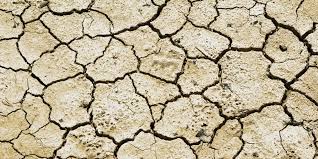
    Colorado’s Front Range is facing worsening drought conditions as low snowpack, warmer temperatures, and reduced runoff continue to strain the region’s water supply. In spring 2026, Denver Water and surrounding communities, including the city of Wheat Ridge, enacted Stage 1 drought restrictions requiring residents and businesses to reduce water use by 20%.

    The drought is already beginning to affect the local environment. Colorado relies heavily on mountain snowpack to provide water during the summer months, but this year’s snow levels are among the lowest on record. As streams and reservoirs shrink, plants and wildlife across the Front Range will experience

    Colorado’s Front Range is facing worsening drought conditions as low snowpack, warmer temperatures, and reduced runoff continue to strain the region’s water supply. In spring 2026, Denver Water and surrounding communities, including the city of Wheat Ridge, enacted Stage 1 drought restrictions requiring residents and businesses to reduce water use by 20%.

    The drought is already beginning to affect the local environment. Colorado relies heavily on mountain snowpack to provide water during the summer months, but this year’s snow levels are among the lowest on record. As streams and reservoirs shrink, plants and wildlife across the Front Range will experience increasing stress. Trees, grasses, and native vegetation may dry out earlier in the season, creating a higher risk of wildfires and damaging habitats for birds, insects, and other wildlife. Farmers across Colorado are already reporting dry soils, struggling crops, and poor pasture conditions due to the lack of moisture.

    For the people of Wheat Ridge, water restrictions could significantly change daily life. Residents are now limited to watering lawns only two days per week and cannot water during the hottest parts of the day. Restaurants are encouraged to serve water only upon request, while businesses must reduce unnecessary water use. If drought conditions worsen, stricter limitations may follow.

    These restrictions may also impact the appearance of neighborhoods and public spaces. Lawns could turn brown, parks may receive less irrigation, and some residents may begin replacing traditional grass with drought-resistant landscaping. Although these changes can be inconvenient, conservation efforts are critical to protecting Colorado’s limited water supply for the future.

    The drought in Wheat Ridge is not just a temporary weather issue — it is part of a larger pattern affecting the western United States. Scientists and water managers warn that hotter temperatures and reduced snowfall may make water shortages more common in coming years. Communities like Wheat Ridge will likely need to continue adapting through conservation, improved infrastructure, and more sustainable water use practices.

  • Sustainability Spotlight - April 2026 - Update from Sustainable Wheat Ridge

    Share Sustainability Spotlight - April 2026 - Update from Sustainable Wheat Ridge on Facebook Share Sustainability Spotlight - April 2026 - Update from Sustainable Wheat Ridge on X (formerly Twitter) Share Sustainability Spotlight - April 2026 - Update from Sustainable Wheat Ridge on Linkedin Email Sustainability Spotlight - April 2026 - Update from Sustainable Wheat Ridge link
    supporting image

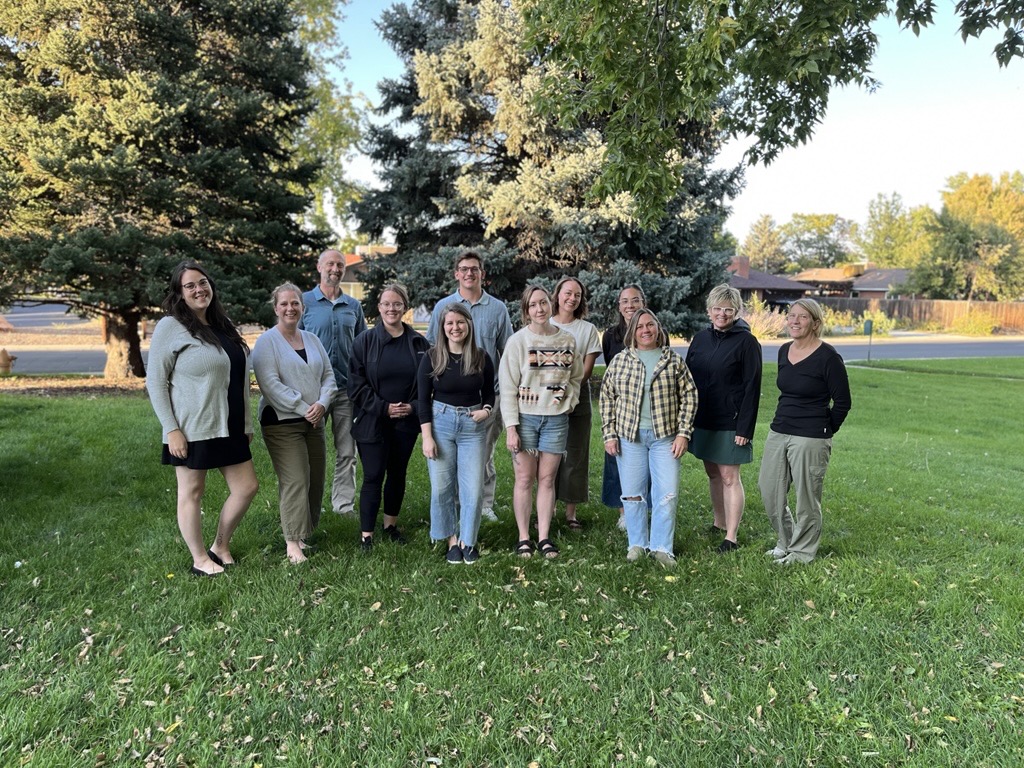
    This year comes with some changes to the focus of the Sustainable Wheat Ridge committee. We are transitioning into confusing more on our Sustainable Action Plan, or the SAP. The SAP is a collection of goals the committee set and that the City adopted (available on website). It focuses on eight different themes or focus areas; Water, Transportation, Solid Waste and Recycling, Renewable Energy, Energy Efficiency and Green Buildings, Business and Jobs, Communication and Engagement, Arts and Culture. While the committee is committed to completing all of the goals within the SAP, we have decided to start by focusing on

    This year comes with some changes to the focus of the Sustainable Wheat Ridge committee. We are transitioning into confusing more on our Sustainable Action Plan, or the SAP. The SAP is a collection of goals the committee set and that the City adopted (available on website). It focuses on eight different themes or focus areas; Water, Transportation, Solid Waste and Recycling, Renewable Energy, Energy Efficiency and Green Buildings, Business and Jobs, Communication and Engagement, Arts and Culture. While the committee is committed to completing all of the goals within the SAP, we have decided to start by focusing on three focus areas for this year. We have created smaller focus groups to work on the Water, Energy Efficiency and Green Building, and Communication and Engagement themes.

    Water

    The water group has decided to focus on working directly with the city on many of the SAP goals involving water. Many of these goals require actions from the city and even creating new policies to improve our current systems. While these goals have large scale effects on the community, we also recognize that they also require large scale effort and time. So for the short term, we are launching a community film screening and dialogue series to build awareness and engagement around watershed stewardship. While hoping to cultivate a growing network of local residents, volunteers, and partner organizations invested in the health of the Clear Creek watershed.

    Communications and Engagement

    The communications group is focusing on getting more information out to the community. We have just acquired space in the monthly Wheat Ridge Gazette to write articles regarding the sustainable efforts in Wheat Ridge and beyond. We are hoping to also acquire our own social media, in hopes of reaching a broader audience! We will be consistently working on these platforms to help reach more people with our goals and efforts. Along with our communication to the community, we are also trying to foster better relationships with different committees and city staff. Hoping that if we all work together we can make some big changes. The last focus of this group is to create a large city volunteer list, to help get more people out into the community making a difference. Anyone is always welcome at our events, we hope we can create a lasting group, dedicated to helping our community.

    Please reach out to us if you have any project ideas, helpful information, or any questions!

  • Sustainability Spotlight - March 2026 - World Water Day

    Share Sustainability Spotlight - March 2026 - World Water Day on Facebook Share Sustainability Spotlight - March 2026 - World Water Day on X (formerly Twitter) Share Sustainability Spotlight - March 2026 - World Water Day on Linkedin Email Sustainability Spotlight - March 2026 - World Water Day link

    supporting image

    Every year on March 22, World Water Day is held to stress the importance of clean water. This day of observance was first designated by the United Nations (UN) in 1993, with a specific theme selected each year to spotlight a key issue affecting over 2 billion people that still don’t have access to safe, clean water close to their home. The World Water Day theme for 2026 is Water and Gender.

    The three key messages promoted by the UN in support of this year’s theme of Water and Gender are:

    1. The global water crisis affects everyone – but

    Every year on March 22, World Water Day is held to stress the importance of clean water. This day of observance was first designated by the United Nations (UN) in 1993, with a specific theme selected each year to spotlight a key issue affecting over 2 billion people that still don’t have access to safe, clean water close to their home. The World Water Day theme for 2026 is Water and Gender.

    The three key messages promoted by the UN in support of this year’s theme of Water and Gender are:

    1. The global water crisis affects everyone – but not equally. Where people lack the human rights to safe drinking water and sanitation, inequalities flourish, with women and girls bearing the brunt. It’s time to center women and girls in water solutions.

    2. Women must shape the future of water. Water services must withstand climate change and meet everyone’s needs. We need a transformative, rights-based approach to solving the water crisis, where women’s voices, leadership, and agency are fully recognized.

    3. Where water flows, equality grows. When women and girls have equal voice in water decisions, services become more inclusive, sustainable, and effective. We must invest in women’s leadership to make water a force for a healthier, more prosperous, gender-equal future that will benefit us all.

    Although World Water Day focuses attention on low and middle-income countries worldwide, engagement at multiple levels - such as local and statewide campaigns - can help emphasize the importance of water for everyone, and encourage responsible water behaviors. This thinking hits close to home as we consider the importance of Clear Creek running through the heart of Wheat Ridge, or the watersheds within Colorado that are critical to the livelihoods of so many people.

    Please consider supporting women and equality in water access worldwide, as well as making water-wise decisions through your own actions. Let’s all observe World Water Day to connect our local and global communities!

  • Sustainability Spotlight - February 2026 - Root Revival: How to Water Trees During a Winter Drought

    Share Sustainability Spotlight - February 2026 - Root Revival: How to Water Trees During a Winter Drought on Facebook Share Sustainability Spotlight - February 2026 - Root Revival: How to Water Trees During a Winter Drought on X (formerly Twitter) Share Sustainability Spotlight - February 2026 - Root Revival: How to Water Trees During a Winter Drought on Linkedin Email Sustainability Spotlight - February 2026 - Root Revival: How to Water Trees During a Winter Drought link
    supporting image

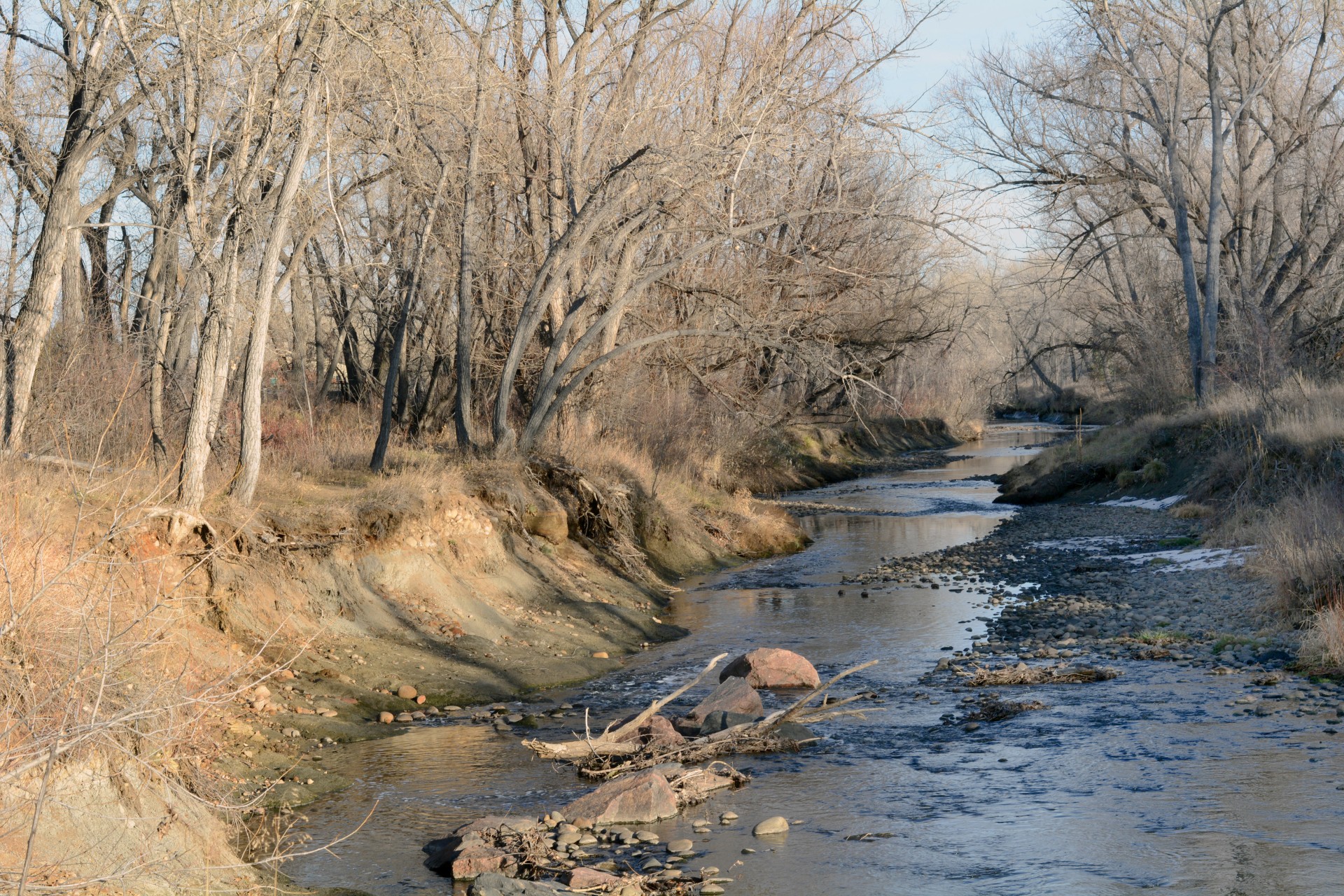
    With the unusually warm and dry weather this winter, your trees are probably thirsty. It may seem odd to pull out a hose in February, especially when most of the state is in drought conditions, but the fact is that trees are vulnerable during long dry periods and can become more susceptible to a host of health concerns without some care from you.

    Watering your trees during the winter is easy, and with the warmer days, can give you an excuse to spend some time outside with them. Carrie Tomlinson, the urban and community forestry manager for the Colorado

    With the unusually warm and dry weather this winter, your trees are probably thirsty. It may seem odd to pull out a hose in February, especially when most of the state is in drought conditions, but the fact is that trees are vulnerable during long dry periods and can become more susceptible to a host of health concerns without some care from you.

    Watering your trees during the winter is easy, and with the warmer days, can give you an excuse to spend some time outside with them. Carrie Tomlinson, the urban and community forestry manager for the Colorado State Forest Service, says that watering planted trees in the winter is a must, especially when there’s about two weeks without snow on the ground.

    Check out these watering tips below to give your trees a little drink:

    • Try watering 1 to 2 times per month
    • Make sure you only water when temperatures are above 40 degrees Fahrenheit, and ideally during the middle of the day to allow the water to infiltrate the soil before nighttime freezes
    • Apply water slowly, either with a spray wand or a hose on a low setting
    • Water the area under the branches of the trees, in an area called the “drip line” so that the water reaches the roots that need it most
    • Use mulch around the tree’s base to retain soil moisture
    • Drain and store your hose to protect it from future freezes


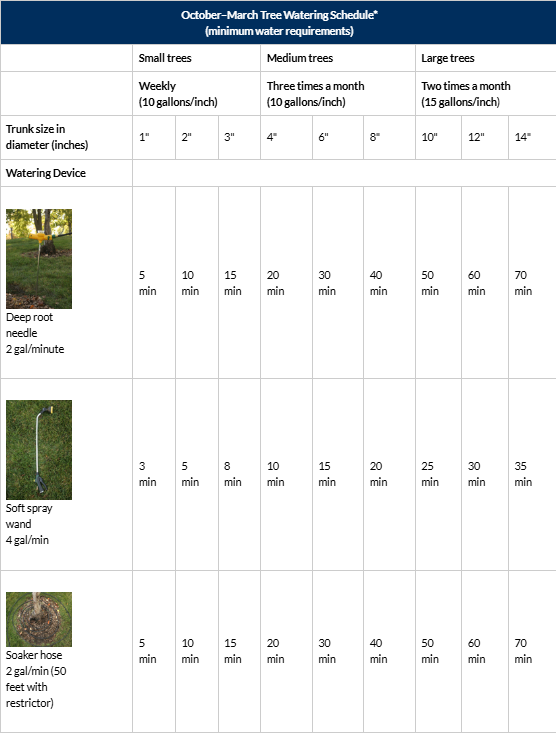
    Not sure how much to water? In winter, trees should get about 10 gallons of water per inch of tree trunk diameter. If you aren’t sure how to calculate this, another method is to place empty cups around the drip line of the tree while watering (with a sprinkler, spray wand, or other watering device that isn’t a hand-held hose) and when each cup has accumulated half an inch to one inch, you know the watering has been adequate.

    Here’s a handy guide from Denver Water on minimum water requirements for trees of all sizes with three examples of watering devices:

  • Sustainability Spotlight - January 2026 - Green New Years Resolutions

    Share Sustainability Spotlight - January 2026 - Green New Years Resolutions on Facebook Share Sustainability Spotlight - January 2026 - Green New Years Resolutions on X (formerly Twitter) Share Sustainability Spotlight - January 2026 - Green New Years Resolutions on Linkedin Email Sustainability Spotlight - January 2026 - Green New Years Resolutions link

    supporting image

    Happy New Year from Sustainable Wheat Ridge! Since we are all making resolutions to better ourselves in 2026, why not add a few to better our environment and sustainable community? Little actions by each person today can make a big impact on our future together, so we have compiled a list of things we can all start doing today to make 2026 and beyond more prosperous for our city and the world.

    Reusable resolutions to start the reusable revolution!

    • Bring reusable bags on errands – Tip (because we all forget from time to time): Keep 2-3 reusable bags in your

    Happy New Year from Sustainable Wheat Ridge! Since we are all making resolutions to better ourselves in 2026, why not add a few to better our environment and sustainable community? Little actions by each person today can make a big impact on our future together, so we have compiled a list of things we can all start doing today to make 2026 and beyond more prosperous for our city and the world.

    Reusable resolutions to start the reusable revolution!

    • Bring reusable bags on errands – Tip (because we all forget from time to time): Keep 2-3 reusable bags in your car and cycle them out as you use them that way you don’t have to worry about grabbing them as you leave the house.
    • Reusable batteries – Rechargeable batteries may have a slightly higher upfront cost but tend to have longer life off a single charge than alkaline batteries, saving you a lot of money over time. Couple that with reducing batteries in landfill waste it’s a true win-win for you and our environment.

    Keep the Love Local!

    • Eat locally – Choosing a local restaurant is a great way to not only try something new, but also helps our friends and neighbors. Many restaurants in Wheat Ridge are owned by people that live in the community and source their food options from our city and surrounding areas.
    • Shop locally – Not only will you be supporting a small business and helping those that live in our city, you can also work on fitness based resolutions at the same time. Walking or biking to a store near your neighborhood is heart healthy and reduces environmental impact from driving your car.

    Keep Going Strong in the Spring!

    • Grow your own food – Growing your own vegetables and herbs is a great way to dress up any meal and it gives you a sense of accomplishment. Additionally, anything you can’t use can be given to friends, neighbors or a local food bank.
    • Carbon footprint reduction – Planting early season vegetables in the spring and later season plants in summer can increase your growing season and help your soil stay healthy. By adding you own kitchen waste compost will not only cut down on waste but can help reduce your sue of store bought and chemical fertilizers.

    We hope this tips and ideas help you kick 2026 off right and support your personal resolutions and possibly inspire some new ones!


    More about Sustainable Wheat Ridge

    Sustainable Wheat Ridge is a resident-led committee that was established in 2016 to provide the city with recommendations to enhance the environmental sustainability of Wheat Ridge. Included in these recommendations are goals around preserving Wheat Ridge’s agricultural history, connecting local producers and consumers, and establishing partnerships to support local food production.

  • Sustainability Spotlight - December 2025 - Small Shifts, Big Meaning

    Share Sustainability Spotlight - December 2025 - Small Shifts, Big Meaning on Facebook Share Sustainability Spotlight - December 2025 - Small Shifts, Big Meaning on X (formerly Twitter) Share Sustainability Spotlight - December 2025 - Small Shifts, Big Meaning on Linkedin Email Sustainability Spotlight - December 2025 - Small Shifts, Big Meaning link

    supporting image

    The holidays invite us to slow down, open our doors, and spend time with the people and traditions that make this season feel special. Members of the Sustainable Wheat Ridge Committee shared how they bring sustainability into the season. These ideas remind us that sustainable holidays don’t have to be complicated or perfect. Instead, they’re about small, thoughtful choices that feel welcoming and easy to carry into everyday life.

    “Over the years, my family has discovered that our favorite gifts are ‘experiences’!” Joy

    When it comes to gifting, experiences are often preferred over things. Joy and Rachel shared

    The holidays invite us to slow down, open our doors, and spend time with the people and traditions that make this season feel special. Members of the Sustainable Wheat Ridge Committee shared how they bring sustainability into the season. These ideas remind us that sustainable holidays don’t have to be complicated or perfect. Instead, they’re about small, thoughtful choices that feel welcoming and easy to carry into everyday life.

    “Over the years, my family has discovered that our favorite gifts are ‘experiences’!” Joy

    When it comes to gifting, experiences are often preferred over things. Joy and Rachel shared how their families now lean toward outings, performances, or simply spending quality time together. These gifts easily adapt to family dynamics, creating moments to look forward to and memories that last well beyond the holiday season, without adding clutter at home.

    For those who enjoy giving physical gifts, secondhand finds bring personality and charm. Amy enjoys visiting thrift stores and local boutiques to find unique items to gift as-is or upcycle to fit someone’s lifestyle, whether a handmade mug, a puzzle, or a picture frame ready to hold a family photo or original artwork. Corinne also turns to thrift stores for baskets and containers, filling them with thoughtfully chosen items and locally sourced goodies to create gifts that feel special and personal. When Stew gives physical gifts, he looks for items that are useful, desired, and durable.

    Wrapping and presentation offer another chance to add care and creativity. Corinne saves paper throughout the year and paints it to create one-of-a-kind wrapping. Reusable bags, cloth wraps, and handmade materials turn packaging into part of the gift that can be saved and enjoyed again and again.

    At the holiday table, sustainability shows up in relaxed, flexible ways. Stew’s household puts less emphasis on meat and more focus on flavorful sides, which are easier to source responsibly and naturally bring people together. Small shifts like choosing local and seasonal foods, cooking just enough, adapting familiar recipes, and being thoughtful about leftovers help meals feel abundant without being wasteful, while staying delicious.

    Beyond gifts and food, traditions help shape the feeling of the season. Joy noted that starting with one or two manageable changes brings more mindfulness to holiday routines. Whether it’s a winter walk, a creative alternative to a cut tree, or simply slowing down together, these small shifts help make the holidays feel lighter, warmer, and rooted in connection.

    “We get outside for every holiday, whether it’s a long walk around town, walking along the Clear Creek trail, or hiking in the Front Range.” — Stew

    Through meaningful choices that care for people and place, small moments come together to shape a holiday season filled with presence, warmth, and shared connection. Happy Holidays!

Page last updated: 17 Sep 2026, 03:58 PM