

Sustainability Spotlight - May 2026 - The Growing Drought Threat in Wheat Ridge
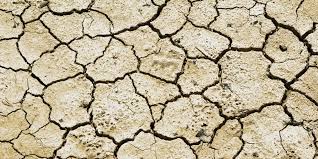
Colorado’s Front Range is facing worsening drought conditions as low snowpack, warmer temperatures, and reduced runoff continue to strain the region’s water supply. In spring 2026, Denver Water and surrounding communities, including the city of Wheat Ridge, enacted Stage 1 drought restrictions requiring residents and businesses to reduce water use by 20%.
The drought is already beginning to affect the local environment. Colorado relies heavily on mountain snowpack to provide water during the summer months, but this year’s snow levels are among the lowest on record. As streams and reservoirs shrink, plants and wildlife across the Front Range will experience increasing stress. Trees, grasses, and native vegetation may dry out earlier in the season, creating a higher risk of wildfires and damaging habitats for birds, insects, and other wildlife. Farmers across Colorado are already reporting dry soils, struggling crops, and poor pasture conditions due to the lack of moisture.
For the people of Wheat Ridge, water restrictions could significantly change daily life. Residents are now limited to watering lawns only two days per week and cannot water during the hottest parts of the day. Restaurants are encouraged to serve water only upon request, while businesses must reduce unnecessary water use. If drought conditions worsen, stricter limitations may follow.
These restrictions may also impact the appearance of neighborhoods and public spaces. Lawns could turn brown, parks may receive less irrigation, and some residents may begin replacing traditional grass with drought-resistant landscaping. Although these changes can be inconvenient, conservation efforts are critical to protecting Colorado’s limited water supply for the future.
The drought in Wheat Ridge is not just a temporary weather issue — it is part of a larger pattern affecting the western United States. Scientists and water managers warn that hotter temperatures and reduced snowfall may make water shortages more common in coming years. Communities like Wheat Ridge will likely need to continue adapting through conservation, improved infrastructure, and more sustainable water use practices.
